The Brains Behind
Future Food Brands

At the independent Oxford Institute of Culinary Science, we bridge the gap between science, technology, and the hospitality sector. Driven by elite researchers and advanced tech tools, we solve complex technical, formulation, and profitability challenges, helping you build a sustainable, smart, and globally competitive brand.
01.

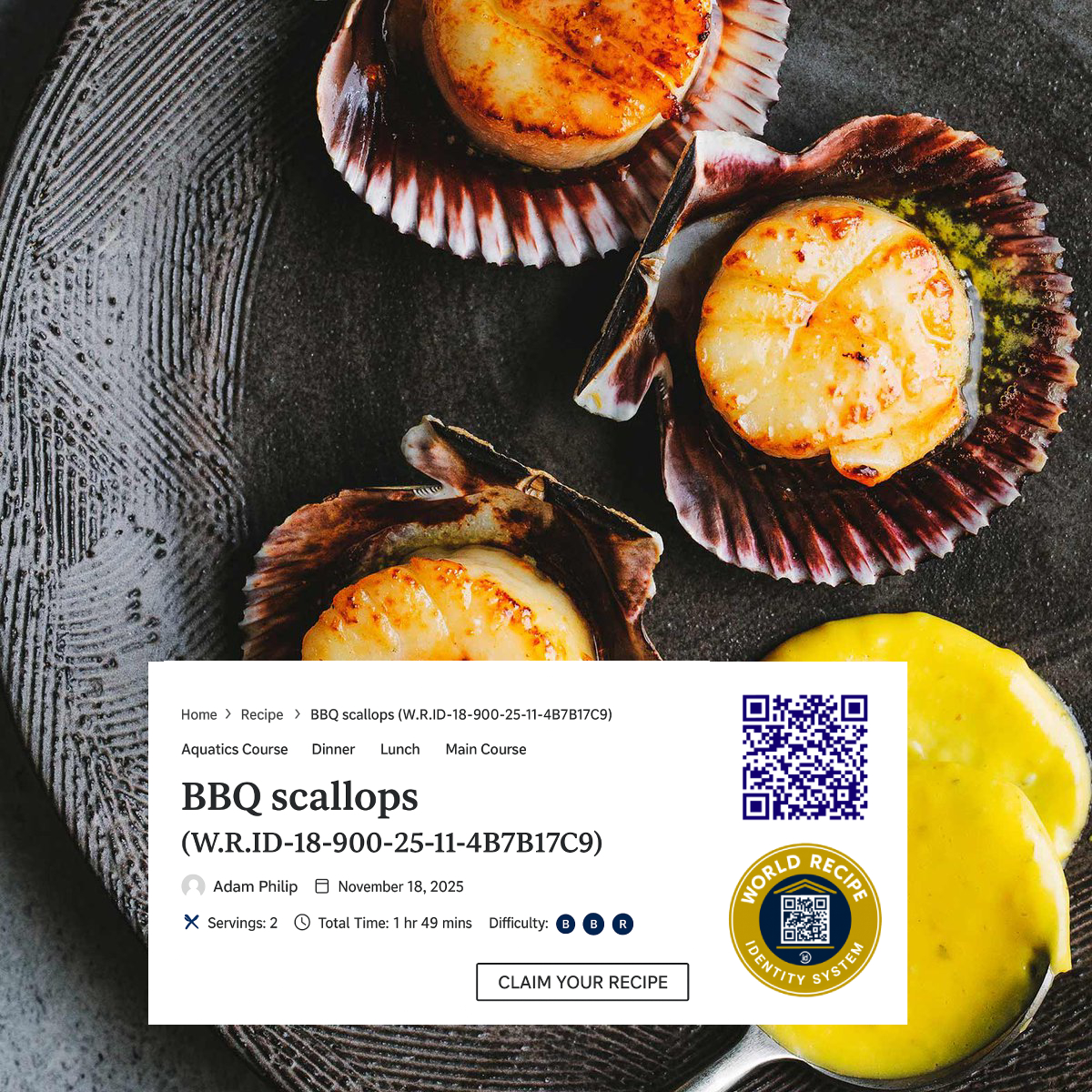
Recipe Formulation & Standardization

Transforming empirical recipes into precise, engineered laboratory formulas to maintain consistent taste, texture, and food quality across all branches and industrial processes.

02.

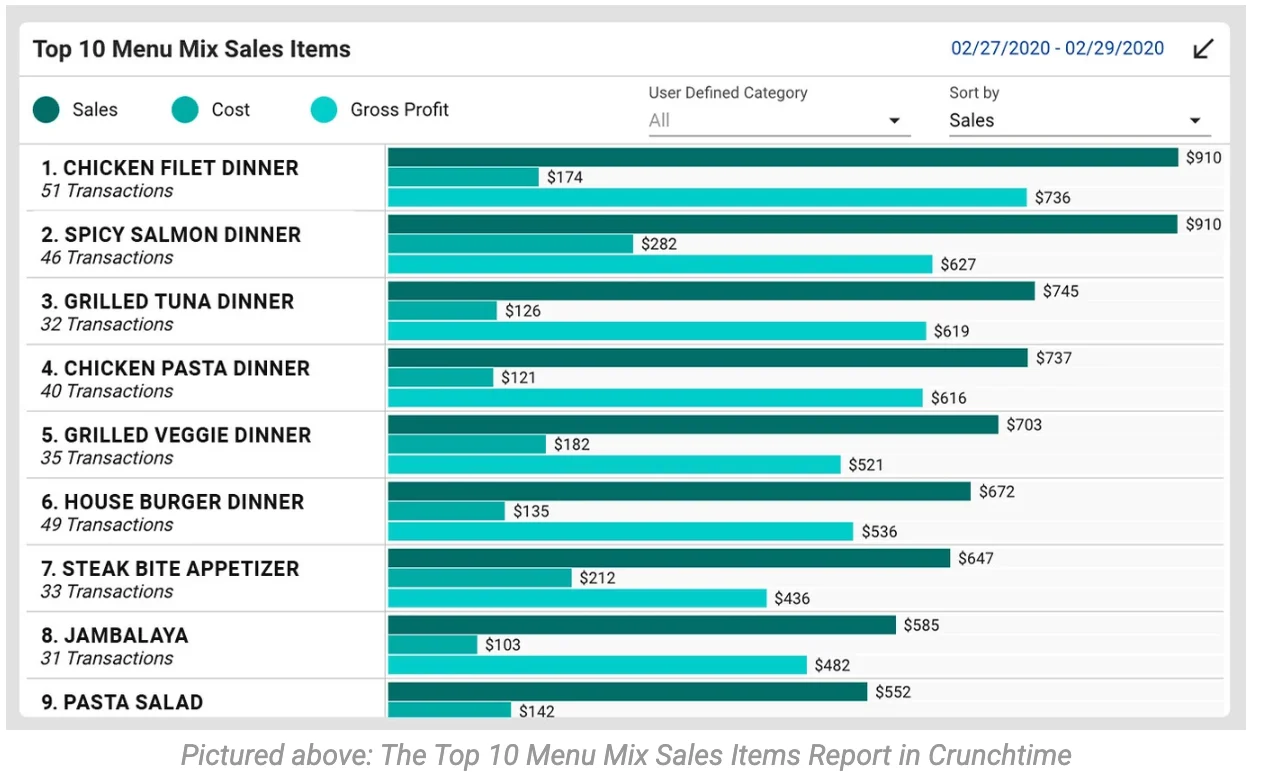
Menu Engineering & Profit Optimization

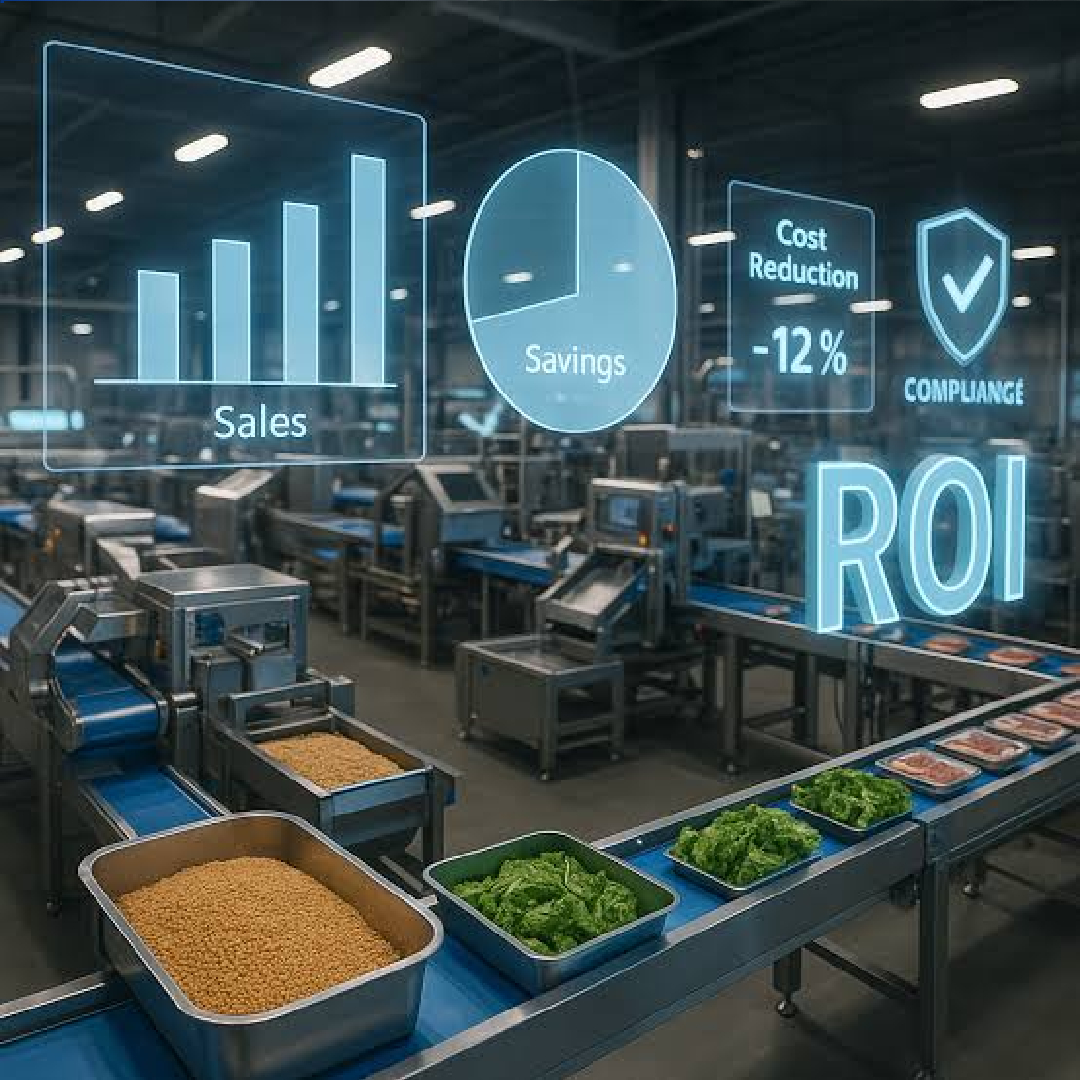
Deep financial analysis of the menu, precise food cost auditing, and implementing mathematical strategies to maximize profit margins without compromising quality.

03.

Food-Tech & AI Integration

Integrating modern digital tools and artificial intelligence (AI) algorithms into kitchens for accurate sales forecasting, inventory control, and zero-waste management.

04.

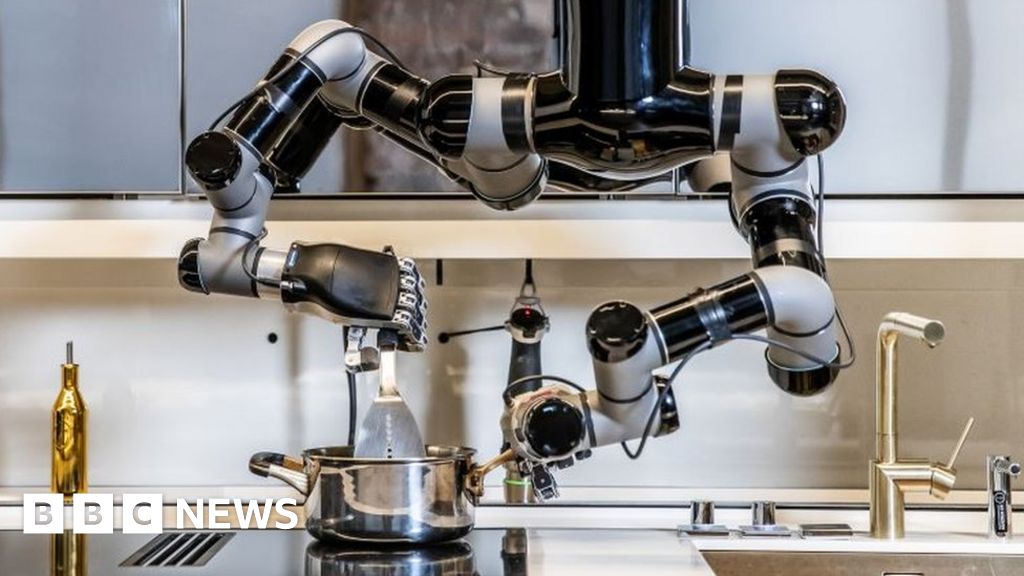
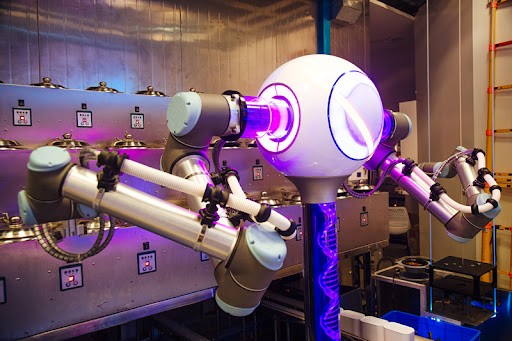
Kitchen Automation & Workflow Engineering

Ergonomic and engineered structural design of physical and digital commercial kitchens to drastically boost output speed and minimize human error.

05.

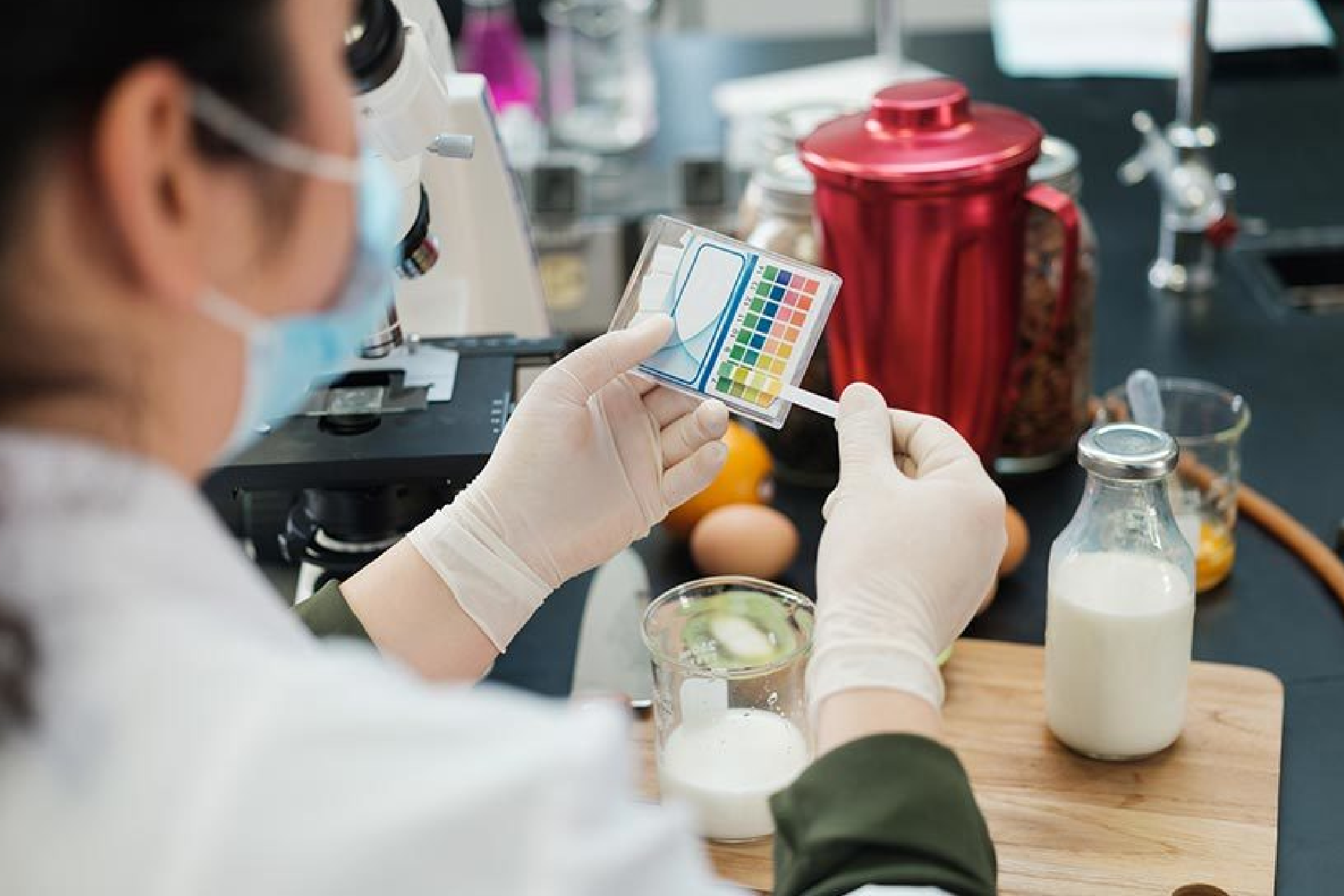
Gastronomic Sciences & Flavor Chemistry

Laboratory research on scientific food pairing, molecular gastronomy techniques, and creating innovative sensory experiences for high-end restaurants.

06.

Sustainability & Green Hospitality

ligning restaurant operations with international eco-friendly standards, optimizing water and energy consumption, and designing sustainable, biological packaging.

The Smart
Consultation Form

View R&D Services Details

OXFORD INSTITUTE CULINARY

Collaboration Process: From Vision to Engineered Solution

Step 1.

Preliminary Assessment & Data Auditing

Upon receiving your request, our experts analyze your current menu structure, supply chain, and operational workflows.

Step 2.

Tailored Technical Blueprinting

Our academic research board designs a customized technical package addressing your brand's specific challenges (formulation, automation, or profitability).

Step 3.

Laboratory Testing & Prototyping

New formulas and workflows are strictly tested within controlled laboratory environments, establishing standardized operational protocols.

Step 4.

Tech Transfer & Continuous Supervision

In the final phase, the newly engineered systems and standardized recipes are deployed to your team alongside rigorous technical training.