Culinary Science and Hospitality Research

On August 27, 2021
Comments Off on Culinary Science and Hospitality Research
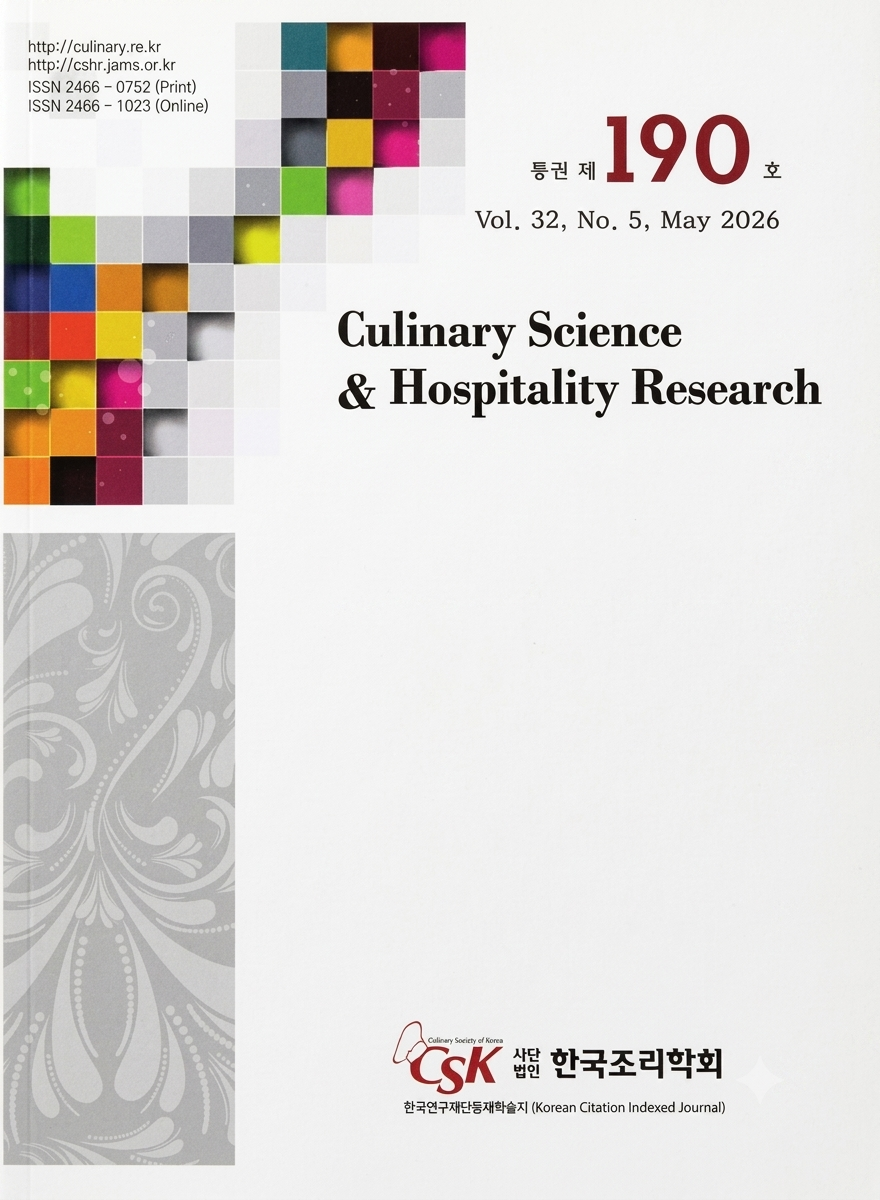
Culinary Science and Hospitality Research bridges the gap between culinary arts and hard food science. It encompasses peer-reviewed studies on food chemistry, sensory analysis, menu development, and guest experiences. Prominent institutions and publications, like the Culinary Society of Korea and the Basque Culinary Center, drive global industry innovations. [1, 2, 3, 4, 5]
This interdisciplinary field investigates the physical and chemical changes that occur during cooking, aiming to improve flavor, nutrition, and food safety. Key areas of focus include: [1, 2]
- Food Chemistry & Microbiology: Examining how ingredients interact at the molecular level, such as the Maillard reaction, caramelization, and iota carrageenan application. [1, 2, 3]
- Sensory Analysis & Consumer Sciences: Studying guest perception, taste profiling, and how culinary experiences influence dining behavior. [1, 2, 3, 4]
- Hospitality Organizational Behavior & Marketing: Analyzing service quality, guest experiences, and the management of food service operations. [1]
- Sustainability and Food Systems: Developing eco-friendly practices, including food waste reduction, fermentation, and sustainable product development. [1, 2, 3, 4, 5]
For established academic literature, researchers often refer to journals such as the Culinary Science and Hospitality Research (CSHR). Additionally, specialized campuses like the Culinary Institute of America (CIA) host dedicated culinary science programs that emphasize critical thinking, product development, and the scientific method in professional kitchens. [1, 2, 3]