
International Journal of Gastronomy and Food Science

On August 27, 2021
Comments Off on International Journal of Gastronomy and Food Science
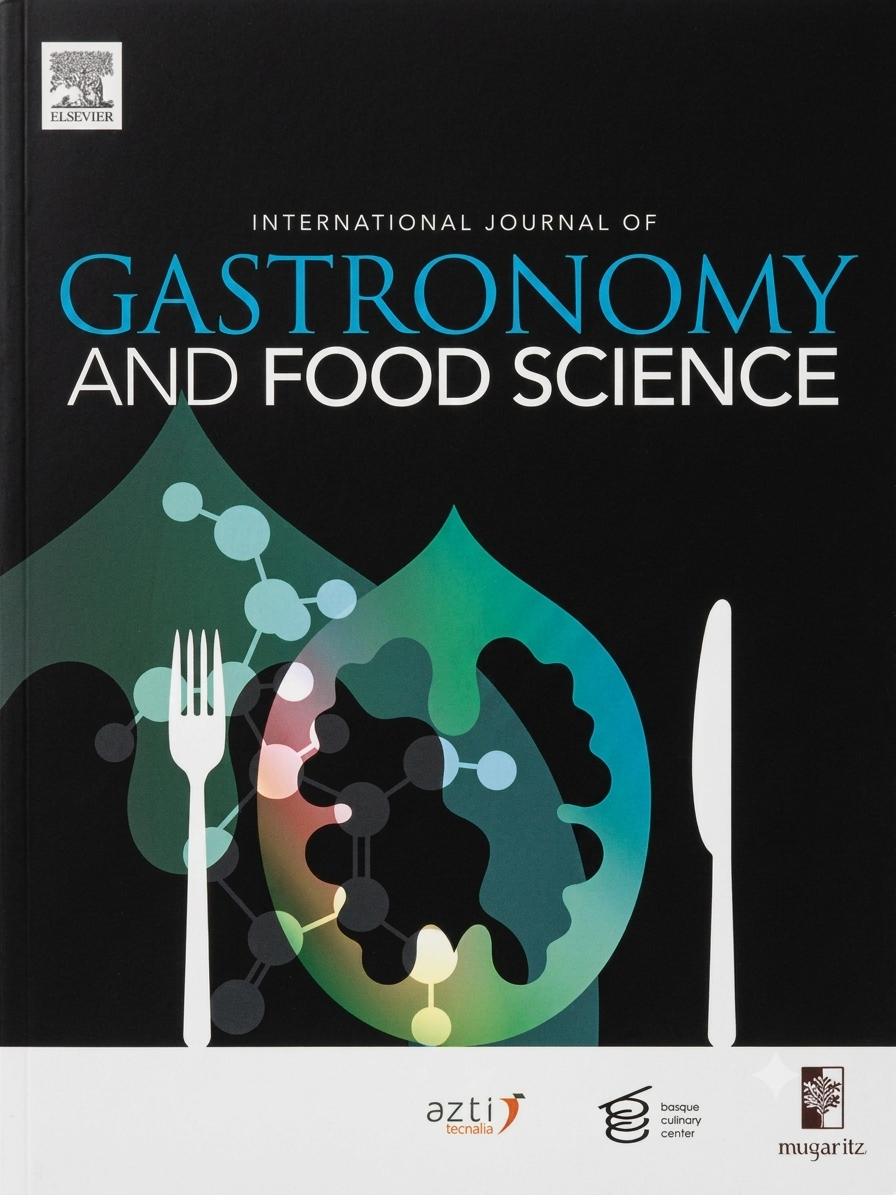
The International Journal of Gastronomy and Food Science (IJGFS) is a peer-reviewed academic journal published by Elsevier that explicitly focuses on the critical interface between food science and culinary arts (gastronomy). It is the official journal of AZTI, the Basque Culinary Center, and the world-renowned restaurant Mugaritz. Unlike traditional scientific publications, IJGFS is unique because it actively encourages submissions from both academic scientists and practicing culinary chefs. [1, 2, 3]
Core Focus and Scope
- The Interaction Requirement: The journal strictly requires articles to bridge food science and culinary practices; submissions focusing exclusively on food science are not considered. [1]
- Chef Contributions: Professional chefs can submit original conceptual, technical, or methodological culinary works developed directly in a restaurant environment. [1]
- Multidisciplinary Reach: It integrates hard sciences like chemistry and microbiology with social perspectives such as food sociology, sensory psychology, and culinary history. [1]
Main Research Areas
- Food Science in Relation to Gastronomy: Explores culinary techniques, food technology, enzymology, and the chemistry/physics of food prep.
- Sensory Experiences: Studies human perception, preferences, neuroscience, and the psychology behind eating pleasure.
- Innovation in Gastronomy: Focuses on culinary creativity, plating exercises, new dining environments, and trend analysis.
- Gastronomy in Perspective: Analyzes sustainability metrics, culinary history, gastronomic tourism, and business models. [1]
Journal Metrics & Details
- Impact Factor: The journal holds a Journal Impact Factor (JIF) of 3.7 and a 5-year Impact Factor of 4.1.
- Indexing: It is actively indexed in the Science Citation Index Expanded (SCIE) within Web of Science.
- Identifiers: ISSN: 1878-450X; eISSN: 1878-4518.
- Publishing Model: It operates on a hybrid model, supporting both subscription and Open Access options. [1, 2]