
Core Learning: 160 hours
Practical Labs / Projects: 100 hours
Mentorship / 1:1 Guidance: 30 hours
Total: 290 hours
Online (Self-Paced)
Hybrid (Online + Optional Workshops)
On-Campus (via Partner Institutions)
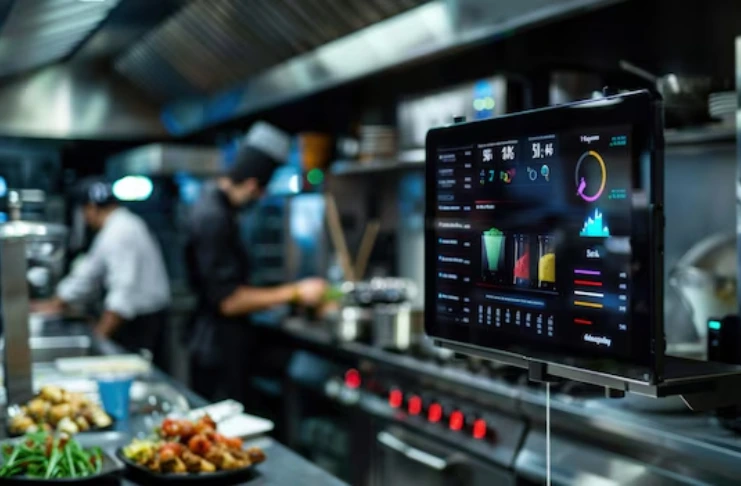
This intensive 3-month certificate program explores the future of smart kitchen design, automation, and technology management in professional culinary environments.
Students gain hands-on experience with emerging technologies such as IoT-integrated appliances, automated cooking systems, workflow optimization tools, and AI-assisted kitchen operations.
The program is designed for chefs, restaurant managers, and culinary technologists who want to build highly efficient, safe, and technology-driven kitchens that improve consistency, reduce operational costs, and enhance productivity.
Through simulations, real-world examples, and applied practice, learners develop the competence to plan, design, and manage the next generation of smart kitchens.
Professional Certificate (Intermediate–Advanced Content)
Principles of smart kitchen architecture
Workflow zones and ergonomic efficiency
Integration of digital systems in kitchen design
Sustainability and energy management considerations
IoT-enabled ovens, hoods, refrigerators, and monitoring systems
Robotic and automated cooking equipment
Real-time data tracking and smart dashboards
Predictive maintenance and equipment performance analytics
Digital SOPs and workflow automation
Task scheduling and smart communication tools
Inventory management systems
Integration with POS, ordering platforms, and cloud kitchens
Reducing human error using sensors and automation
HACCP digital compliance systems
Enhancing speed and consistency
Safety improvements through smart monitoring
Interactive digital simulation of a smart kitchen
Designing your own smart kitchen plan
Operational workflow modeling
Technology selection and cost analysis
Analysis of high-tech kitchens in Europe, Asia, and the GCC
Robotic restaurants and AI-integrated operations
Success and failure insights from real-world implementations
Graduates will be able to:
Design efficient, technology-enabled kitchen layouts
Integrate IoT and automation tools into culinary operations
Manage workflows using digital systems
Improve productivity, consistency, and safety with technology
Plan and simulate smart kitchen models for real projects
Analyze global examples of high-tech kitchens
Executive chefs and kitchen designers
Restaurant owners and F&B managers
Culinary technologists and innovation specialists
Cloud kitchen entrepreneurs
Hospitality engineers
Anyone interested in the future of culinary technology
Standard Online (Self-Paced): 2,600 USD
Guided Program (Instructor-Led): 5,300 USD
Premium Mentorship (1:1 Technical Guidance): 8,600 USD
| Region | Standard Online | Guided Program | Premium Mentorship |
|---|---|---|---|
| USA / Canada | $2,900 | $5,900 | $9,500 |
| Western Europe (UK/EU/Scandinavia) | €2,650 / £2,270 | €5,500 / £4,750 | €9,250 / £7,850 |
| GCC (UAE, Oman, Qatar, Saudi, Kuwait, Bahrain) | $2,650 | $5,450 | $9,200 |
| Türkiye | $2,050 | $4,300 | $7,200 |
| East Asia (Japan, S. Korea, Singapore) | $2,500 | $5,250 | $8,900 |
| South Asia (India, Pakistan, Bangladesh) | $1,450 | $3,200 | $5,300 |
| Africa | $1,250 | $2,900 | $4,800 |
| Latin America | $1,550 | $3,350 | $5,450 |
 Oxford Team
-72.16%
Oxford Team
-72.16%
 Oxford Team
-72.16%
Oxford Team
-72.16%