Term 1 – 24 Weeks
(16 Weeks Advanced Training + 8 Weeks Internship)
Format: 100% Online + Optional Hands-On Workshops
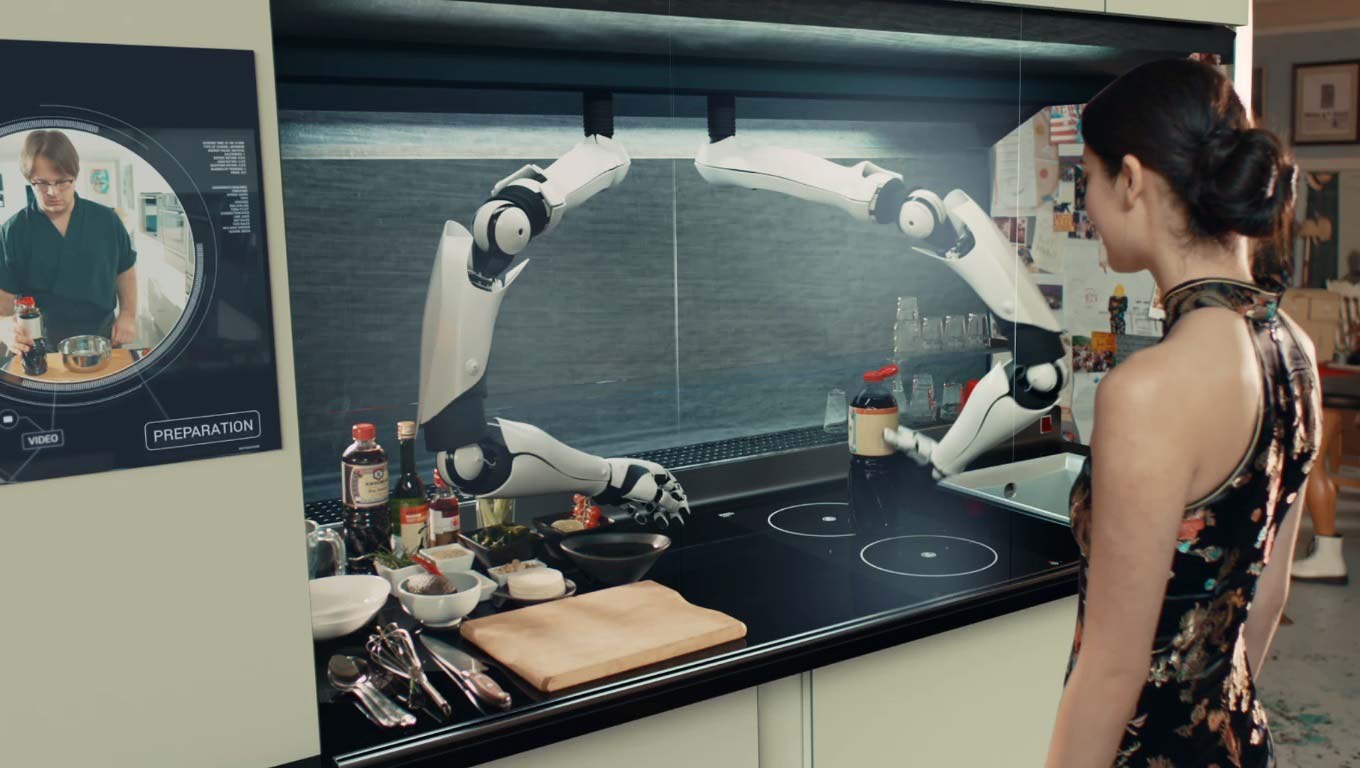
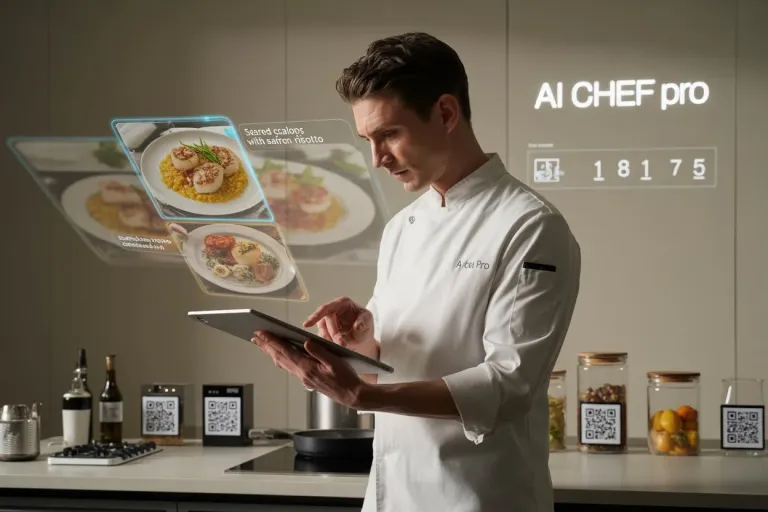
This diploma introduces chefs and culinary professionals to artificial intelligence, smart robotics, and advanced technology in modern and future-oriented kitchens.
Students will learn how to leverage intelligent systems, robotic cooking assistants, and data analytics to enhance culinary processes and create unique dining experiences.
The program combines online interactive modules, virtual labs, and an 8-week guided internship in professional environments.
AI and machine learning applications in culinary arts
Robotics and kitchen automation
Data analytics for menu design and customer experience
Process optimization and food waste reduction
Internship in smart kitchens or virtual labs
Internationally recognized diploma certification
| # | Module Title | Duration | Key Topics |
|---|---|---|---|
| 1 | Foundations of AI in Culinary | 2 weeks | History, principles of AI, machine learning basics, practical applications in the kitchen |
| 2 | Robotics & Automation Systems | 3 weeks | Kitchen robots, smart appliances, automation of cooking processes, maintenance & safety |
| 3 | Data Analytics for Gastronomy | 2 weeks | Data collection, customer behavior analysis, menu & cost optimization |
| 4 | Smart Kitchen Management | 2 weeks | IoT integration, sensor technology, environment control, workflow optimization |
| 5 | AI-Driven Recipe Innovation | 3 weeks | Generating and analyzing recipes with AI, flavor matching, texture design |
| 6 | Human-Robot Collaboration | 2 weeks | Teamwork with robots, human-machine interaction, safety & efficiency |
| 7 | Sustainability & Waste Reduction | 2 weeks | Reducing food waste, resource management, sustainable technology applications |
| 8 | Internship & Applied Practice | 8 weeks | Practical assignments, mentor feedback, portfolio development |
Introduction to Artificial Intelligence in the culinary context
Machine learning basics: supervised, unsupervised, reinforcement learning
Applications in recipe creation, menu planning, and kitchen workflow
Overview of AI-driven flavor analysis and sensory prediction
Case studies: AI in leading smart kitchens
Skills gained: Understanding AI concepts, recognizing opportunities for AI integration
Types of kitchen robots: prep, cooking, plating, cleaning
Automation principles and process mapping
Safety protocols and maintenance for robotic systems
Hands-on simulation with virtual robotic systems
Integration with existing kitchen workflows
Skills gained: Operating kitchen robots, planning automated processes safely
Collecting culinary and customer data
Analyzing trends in taste preferences and menu performance
Using data for cost optimization and inventory management
Tools and software for culinary data analytics
Skills gained: Data interpretation, evidence-based decision making in the kitchen
IoT devices in the kitchen: sensors, temperature & humidity control
Monitoring and controlling kitchen equipment remotely
Workflow optimization using technology
Virtual lab exercises: smart kitchen monitoring
Skills gained: Smart kitchen setup, real-time environment control, efficiency improvements
Flavor pairing analysis using AI
Recipe generation and modification algorithms
Predicting customer acceptance using data modeling
Hands-on exercises with AI recipe tools
Skills gained: Developing innovative dishes, integrating AI in culinary creativity
Best practices for human-robot teamwork
Task allocation between chefs and robots
Ergonomics and workflow safety
Virtual collaboration scenarios
Skills gained: Managing mixed teams, ensuring productivity and safety
Techniques for reducing food waste with AI support
Predictive inventory and portion control
Sustainable sourcing and energy-efficient operations
Case studies on smart kitchens with sustainability focus
Skills gained: Implementing green practices, using AI to optimize resources
Placement in professional kitchens or virtual labs
Applied use of AI and robotic tools in daily operations
Weekly mentor feedback and portfolio updates
Final portfolio includes workflow plans, recipe innovations, and AI applications
Skills gained: Real-world application, practical experience, portfolio development
| Component | Weight |
|---|---|
| Weekly practical assignments | 30% |
| Mid-term theoretical exam | 20% |
| AI & Robotics project | 25% |
| Internship performance & portfolio | 25% |
AI Culinary Specialist
Robotics Chef / Smart Kitchen Manager
Culinary Data Analyst
Future Food Innovator
Trainer / Consultant in Smart Culinary Systems
| Region | Standard Online | Guided Program | Premium Mentorship |
|---|---|---|---|
| USA / Canada | $1,850 | $4,300 | $7,000 |
| Western Europe (UK, EU, Scandinavia) | €1,850 / £1,600 | €4,300 / £3,700 | €7,000 / £6,000 |
| GCC (UAE, Oman, Qatar, Saudi, Kuwait, Bahrain) | $1,800 | $4,200 | $6,800 |
| Türkiye | $1,500 | $3,500 | $5,600 |
| East Asia (Japan, S. Korea, Singapore) | $1,750 | $4,100 | $6,700 |
| South Asia (India, Pakistan, Bangladesh) | $950 | $2,200 | $3,800 |
| Africa | $900 | $2,100 | $3,500 |
| Latin America | $1,050 | $2,400 | $4,000 |