Term 1 – 24 Weeks
(16 Weeks Advanced Training + 8 Weeks Internship)
Format: 100% Online + Optional Hands-On Workshops
Certification: Diploma in Fusion & Molecular Gastronomy
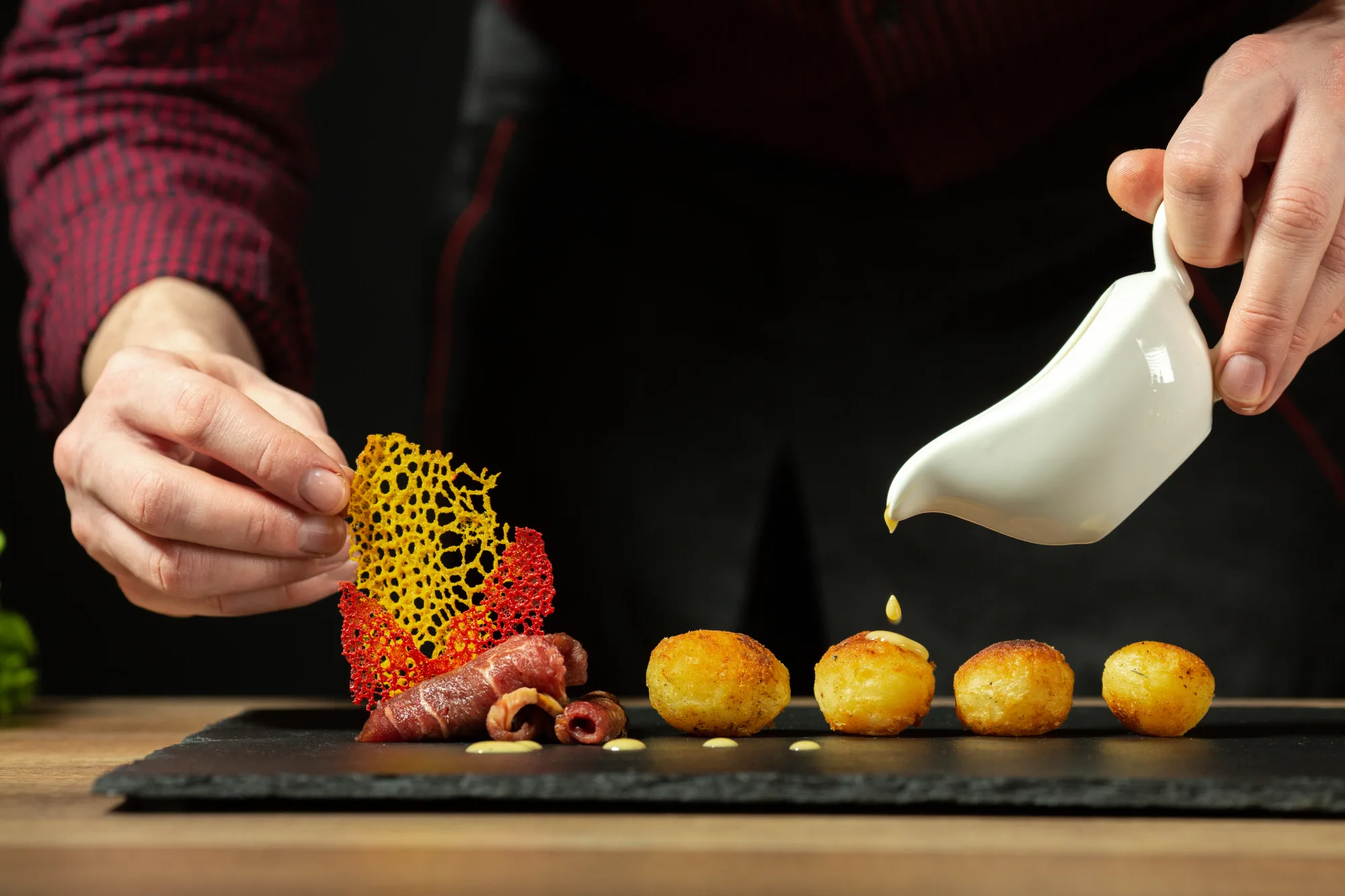
This diploma introduces chefs and culinary professionals to modern culinary innovation, molecular techniques, and fusion cuisine principles.
Students explore scientific foundations behind flavors, textures, and aromas, while learning how to apply modernist techniques in practical kitchen environments.
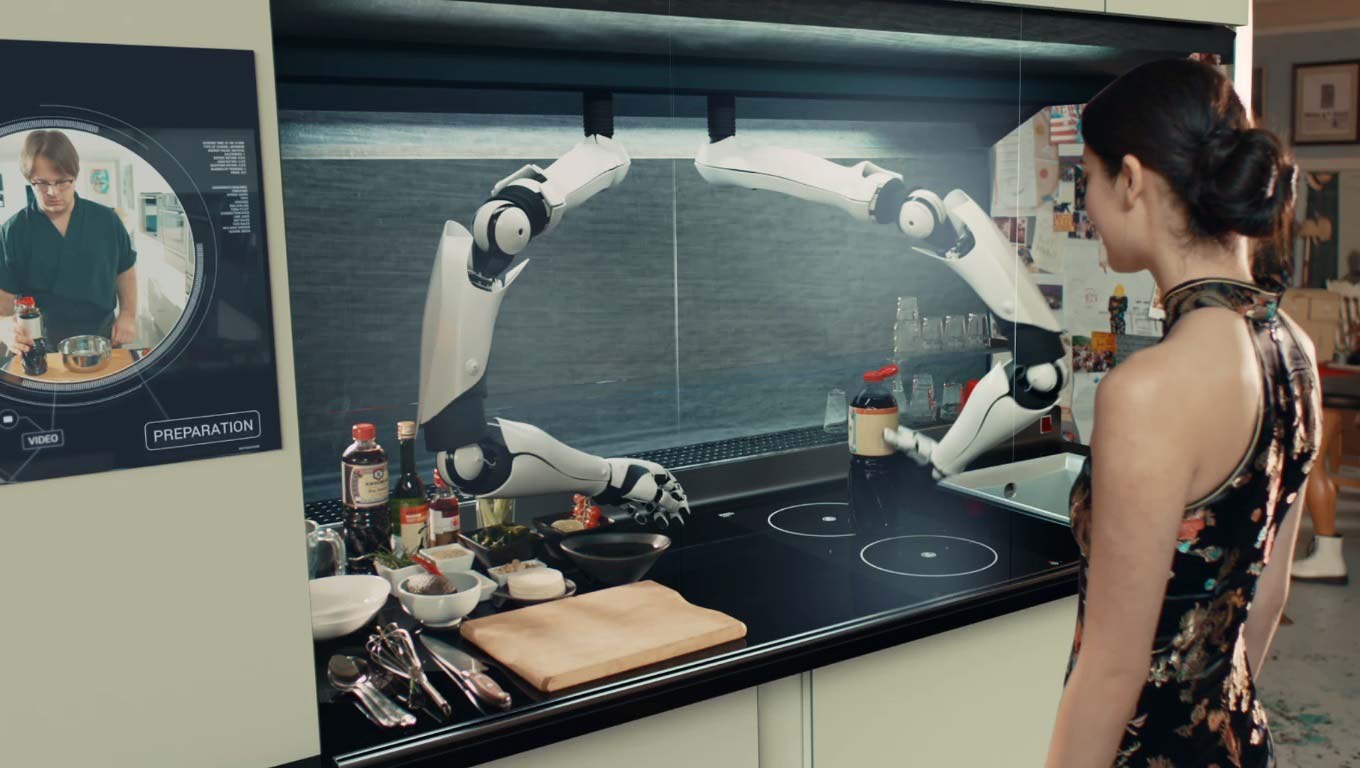
The program combines online interactive modules, virtual labs, and an 8-week guided internship, providing a strong foundation for advanced culinary experimentation.
Foundations of molecular gastronomy science
Fusion cuisine principles and cross-cultural techniques
Practical experience with gels, foams, spherification, and liquid nitrogen
Flavor pairing, texture design, and multi-sensory dining
Internship in professional kitchens or virtual labs
Internationally recognized diploma certification
| # | Module Title | Duration | Key Topics |
|---|---|---|---|
| 1 | Foundations of Molecular Gastronomy | 2 weeks | History, theory, sensory science, flavor perception |
| 2 | Modern Cooking Techniques & Tools | 2 weeks | Sous-vide, centrifuge, blowtorch, liquid nitrogen |
| 3 | Flavor Pairing Science | 2 weeks | Molecular flavor compounds, aromatic analysis, pairing frameworks |
| 4 | Spherification, Gels & Foams | 2 weeks | Agar, alginate, gelatin, emulsions, foams |
| 5 | Thermal Manipulation & Cryogenics | 2 weeks | Freezing, flash freezing, nitrogen handling, ice creams, frozen textures |
| 6 | Fusion Cuisine Principles | 3 weeks | Cross-cultural integration, East meets West, experimental menu concepts |
| 7 | Food Safety, Hygiene & Lab Setup | 1 week | Sanitation, chemical safety, lab workflow, ingredient handling |
| 8 | Internship & Applied Practice | 8 weeks | Practical assignments, mentor feedback, portfolio development |
Duration: 2 weeks
Topics Covered:
History and evolution of molecular gastronomy
Scientific principles: flavor perception, aroma compounds, texture manipulation
Sensory science: taste, smell, mouthfeel, temperature effects
Introduction to kitchen chemistry and molecular ingredients
Practical Exercises:
Sensory calibration exercises
Simple flavor experiments (acid-base, gel formation)
Creating basic molecular textures (foams, gels)
Portfolio / Project: Document tasting notes, aroma identification charts, and basic recipes
Duration: 2 weeks
Topics Covered:
Sous-vide cooking principles and temperature control
Centrifuge, blowtorch, siphons, and liquid nitrogen usage
Equipment safety, calibration, and maintenance
Precision cooking techniques and consistency
Practical Exercises:
Prepare simple sous-vide proteins
Use siphons for foams and espumas
Liquid nitrogen dessert preparation
Portfolio / Project: Step-by-step photo documentation of techniques, temperature charts, and safety logs
Duration: 2 weeks
Topics Covered:
Molecular flavor compounds and aromatic profiles
Pairing principles: harmony, contrast, intensity
Cross-cultural ingredient compatibility
Umami, acidity, bitterness, and sweetness manipulation
Practical Exercises:
Conduct flavor matching exercises with ingredients
Create small dishes experimenting with molecular pairings
Portfolio / Project: Flavor pairing sheets, experimental recipe notes
Duration: 2 weeks
Topics Covered:
Techniques: basic and reverse spherification
Gels: agar, alginate, gelatin, carrageenan
Emulsions, foams, and air incorporation methods
Applications in plating and menu concepts
Practical Exercises:
Create flavored spheres and gel textures
Produce stable foams for hot and cold applications
Portfolio / Project: Recipe portfolio documenting spherification, foams, gels, and plating photos
Duration: 2 weeks
Topics Covered:
Flash freezing, liquid nitrogen handling, ice cream bases
Temperature effects on texture and flavor
Cryogenic safety and equipment operation
Innovative frozen desserts and textural contrast
Practical Exercises:
Liquid nitrogen sorbets or frozen foams
Cryo desserts and frozen plating exercises
Portfolio / Project: Document techniques with photos, safety protocols, and final dishes
Duration: 3 weeks
Topics Covered:
Cross-cultural culinary integration
Fusion menu development (East meets West, modernist approaches)
Balancing traditional flavors with modern techniques
Conceptualization of experimental dishes
Practical Exercises:
Develop fusion recipes using multiple cultural influences
Conduct taste tests for flavor balance and presentation
Portfolio / Project: 3–course fusion tasting menu concept with recipe documentation
Duration: 1 week
Topics Covered:
Sanitation and chemical safety in molecular kitchens
Lab workflow, ingredient handling, and storage
HACCP principles for molecular gastronomy
Risk management in experimental cooking
Practical Exercises:
Lab setup and hygiene audit
Safety checklists for ingredients and equipment
Portfolio / Project: Safety and hygiene compliance report
Duration: 8 weeks
Topics Covered:
Integration of all previous modules into professional or virtual kitchens
Weekly mentor-guided assessments
Menu creation, plating, and multi-sensory presentation
Portfolio compilation for graduation
Practical Exercises:
Full-scale applied projects in molecular techniques
Realistic kitchen workflow simulations
Portfolio / Project: Complete portfolio including recipes, plating photos, experimental notes, and mentor feedback
| Module # | Module Title | Duration | Key Topics | Practical Exercises |
|---|---|---|---|---|
| 1 | Foundations of Molecular Gastronomy | 2 weeks | History, theory, sensory science, flavor perception | Sensory calibration, flavor mapping |
| 2 | Modern Cooking Techniques & Tools | 2 weeks | Sous-vide, centrifuge, liquid nitrogen, blowtorch | Precision cooking, safety drills |
| 3 | Flavor Pairing Science | 2 weeks | Molecular flavor compounds, aromatic analysis, pairing frameworks | Pairing exercises with ingredients |
| 4 | Spherification, Gels & Foams | 2 weeks | Agar, alginate, gelatin, emulsions, foams | Spherification, foam preparation |
| 5 | Thermal Manipulation & Cryogenics | 2 weeks | Flash freezing, nitrogen handling, frozen textures | Frozen desserts, liquid nitrogen demo |
| 6 | Fusion Cuisine Principles | 3 weeks | Cross-cultural integration, experimental menu design | Fusion recipe development |
| 7 | Food Safety, Hygiene & Lab Setup | 1 week | Sanitation, chemical safety, ingredient handling | Lab setup, safety audit |
| 8 | Internship & Applied Practice | 8 weeks | Portfolio compilation, mentor feedback, kitchen integration | Professional kitchen or virtual lab |
| Component | Weight |
|---|---|
| Weekly practical assignments | 30% |
| Mid-term theoretical exam | 20% |
| Fusion & molecular project | 25% |
| Internship performance & portfolio | 25% |
Molecular Gastronomy Chef / Fusion Chef
R&D Culinary Specialist
Fine-Dining Menu Developer
Culinary Innovator & Consultant
Instructor / Trainer in Modernist Techniques
| Plan | Features | Price (USD) |
|---|---|---|
| Standard Online | LMS modules, videos, practical exercises | $1,600 |
| Guided Program | Standard + weekly live sessions + mentor feedback | $3,800 |
| Premium Mentorship | Guided + 1-on-1 mentorship + portfolio review | $6,000 |
| Region | Standard Online | Guided Program | Premium Mentorship |
|---|---|---|---|
| USA / Canada | $2,750 | $5,900 | $9,000 |
| Western Europe (UK/EU/Scandinavia) | €2,700 / £2,400 | €5,800 / £5,200 | €8,900 / £7,950 |
| GCC (UAE, Oman, Qatar, Saudi, Kuwait, Bahrain) | $2,700 | $5,800 | $8,900 |
| Türkiye | $2,050 | $4,350 | $6,700 |
| East Asia (Japan, South Korea, Singapore) | $2,650 | $5,650 | $8,750 |
| South Asia (India, Pakistan, Bangladesh) | $1,900 | $4,000 | $6,100 |
| Africa | $1,750 | $3,850 | $5,900 |
| Latin America | $2,000 | $4,200 | $6,400 |