Food and Identity: The Cultural Anthropology of Gastronomy
📘 Course Introduction
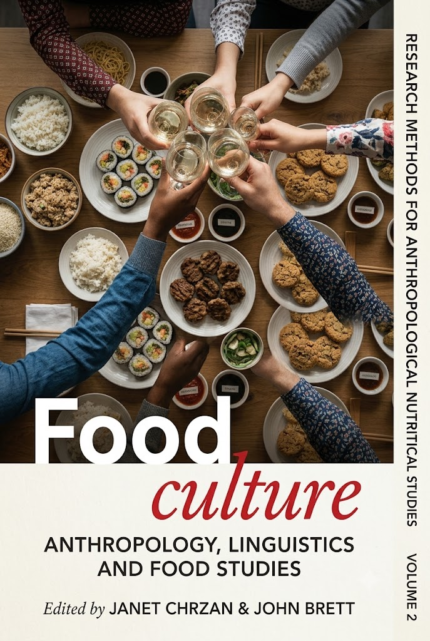
Food is never just a chemical necessity; it is a profound mirror of human history, social structures, migration, and cultural memory. This intensive program introduces the rigorous methodology of food anthropology, designed for elite chefs, culinary educators, and food designers who want to move past baseline execution and start cooking with deep historical intention and narrative power.
You will master the art of deciphering how migration shapes flavor profiles, how ritualistic culinary traditions establish community trust, and how social class influences taste perception. This course bridges academic cultural studies and the active professional kitchen, equipping you to design menu narratives that connect with the deepest layers of human psychology and identity.

Description
🗂 Course Chart
| Section | Details |
|---|---|
| Course Title | Food and Identity: The Cultural Anthropology of Gastronomy |
| Duration | 4 Weeks (Short-Term Specialist Program) |
| Format | Online / Hybrid |
| Language | English (With Persian Subtitles/Support) |
| Target Audience | R&D Chefs, Menu Architects, Culinary Educators, Food Researchers, Sociologists |
| Level | Intermediate to Advanced |
| Certificate | Specialist Certificate from Oxford Institute of Culinary Science & Gastronomy |
| Endorsements | TasteMetric™, WRID™, Oxford Culinary Labs |
🎯 Learning Outcomes
Participants will be able to:
-
- Decode the complex socio-historical patterns behind contemporary global flavor profiles.
- Use culinary anthropology to design ethnically authentic and highly engaging menu concepts.
- Trace the evolutionary impact of human migration and cross-cultural trade on spice geography.
- Critique modern commercial food appropriation while building respectful, heritage-driven culinary narratives.
📅 Weekly Breakdown
| Week | Module Title | Key Topics |
|---|---|---|
| 1 | The Foundations of Gastro-Anthropology | Food as symbolic communication; decoding taste barriers; primitive rituals vs. modern luxury dining. |
| 2 | Migration, Diaspora, and Flavor Evolution | Mapping global ingredient migration; the Columbian exchange; how shifting populations create culinary fusion. |
| 3 | Social Class, Status, and Taste Semiotics | The sociology of preference; culinary elitism; how economic capital alters sensory value perceptions. |
| 4 | Heritage Menu Design & Narrative Cooking | Transforming historical research into a 5-course menu; story-driven plating; cultural preservation models. |
🧪 Assessment & Completion
| Type | Description |
|---|---|
| Weekly Reflections | Deep analytical deconstruction of an ingredient’s migration history across global borders. |
| Final Project | Design a complete heritage-driven menu concept based on a specific historical era or migration path. |
| Participation | Active engagement in case studies regarding food semiotics and socio-culinary identity. |
| Certification | Digital + printable verified certificate with optional WRID tracking code. |
📦 Tools & Materials
-
- Access to a kitchen or plating space for creative conceptual execution.
- Access to digital research archives and historical food maps.
- Digital notebook or journaling application.
🧠 Summary
This course provides food thinkers with the exact analytical toolkit required to build deep, story-driven dining architectures. It gives you the cultural frameworks needed to lead high-end curation spaces, premium culinary documentaries, global food festivals, and luxury heritage concepts.

Shipping & Delivery
Related products
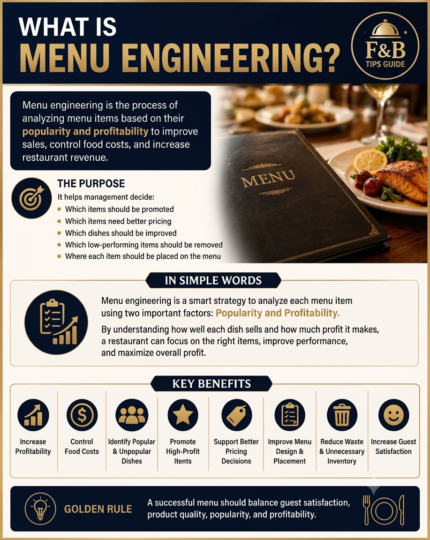
Advanced Menu Engineering & Dynamic Pricing
📘 Course Introduction
A menu is not a price list; it is your restaurant’s ultimate financial engine. This course bridges the gap between culinary data and behavioral psychology, teaching you how to scientifically audit, restructure, and price your menu to maximize yield in volatile, inflationary markets.
From analyzing dish performance to mastering dynamic pricing for digital apps and off-peak hours, you will learn how to shift from intuitive cooking to data-driven profitability—without sacrificing your culinary brand's integrity.
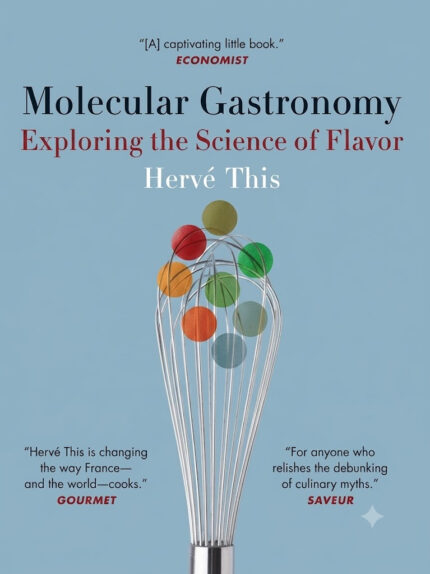
Applied Molecular Gastronomy & Hydrocolloid Chemistry
📘 Course Introduction
Modern culinary excellence requires an understanding of fluid dynamics, thermal physics, and organic chemistry. This intensive program moves past basic cooking to explore the structural manipulation of ingredients. Designed for high-level chefs, this course focuses on the precise use of hydrocolloids and laboratory techniques to improve flavor, texture, and recipe stability.
You will master precision temperature control, examine the physical behavior of gelling agents and emulsifiers under shear stress, and learn to formulate shelf-stable commercial recipes. This course transforms empirical kitchen habits into predictable, engineered culinary outcomes, preparing you to lead modern research and development spaces.
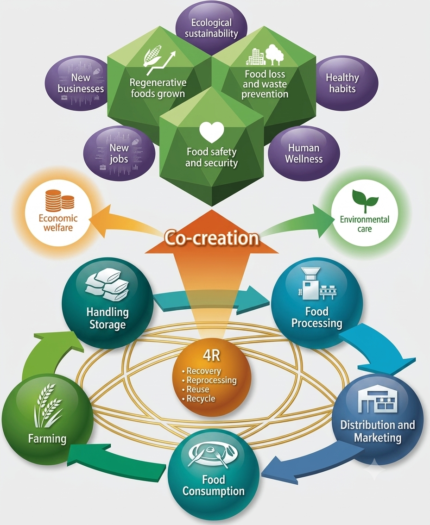
Circular Economy & Sustainable Food Waste Auditing
📘 Course Introduction
Sustainability is no longer an ethical choice; it is a critical regulatory and financial necessity for the modern hospitality sector. This intensive program introduces the methodology of zero-waste systems and industrial food waste auditing, designed for forward-thinking chefs and foodservice managers who want to maximize ingredient utilization and build a circular culinary economy.
You will master the metrics of tracking pre-consumer and post-consumer waste, study the biochemical processes of organic upcycling, and learn to re-engineer menus based on high-yield, low-environmental-impact techniques. This course transforms standard kitchen waste into a dynamic resource, cutting raw ingredient costs while establishing certified eco-friendly operations.
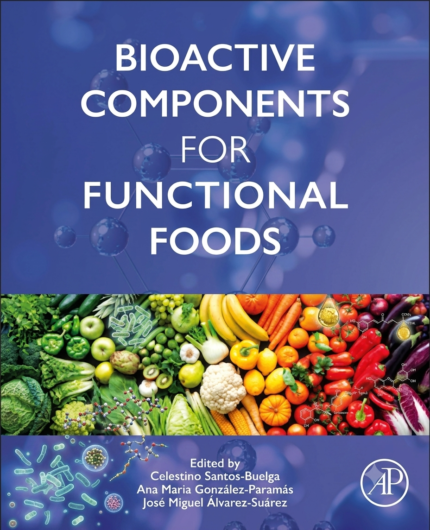
Functional Nutrition & Bio-Active Ingredients for Chefs
📘 Course Introduction
As a modern culinary professional, your role has evolved past simply filling plates—you are now a key influencer of human health, longevity, and metabolic performance. This intensive program introduces the rigorous biochemistry of functional nutrition, designed explicitly for high-level chefs who want to cook with medical purpose without ever sacrificing sensory luxury.
You will master the art of manipulating anti-inflammatory compounds, stabilizing gut microbiota via targeted culinary techniques, and designing menus that actively regulate blood sugar and modulate stress hormones. This course bridges the clinical laboratory and the professional kitchen, empowering you to lead the wellness-driven culinary revolution.
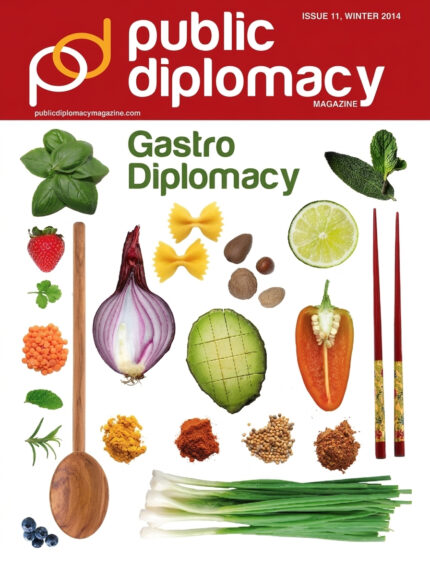
Gastro-Diplomacy: Brand Storytelling & Cultural Menu Design
📘 Course Introduction
Food is the ultimate vehicle for soft power, corporate influence, and nation-branding. In a hyper-competitive hospitality landscape, consumers don't buy commodities—they buy narratives, heritages, and belief systems. This live, 3-day executive bootcamp strips away baseline marketing models to introduce the advanced architecture of gastro-diplomacy and cultural brand storytelling.
Engineered specifically for hospitality group founders, hospitality investors, brand strategists, and national tourism directors, this bootcamp covers how to transform a nation or group's culinary asset portfolio into a powerful global marketing campaign, structure narrative menu profiles, and win elite consumer engagement.
Intellectual Property of Culinary Recipes & Gastronomic Heritage
📘 Course Introduction
In the hyper-digitized global food market, culinary plagiarism and the erasure of cultural heritage run rampant. Traditional intellectual property laws fail to protect the creative work of chefs and the culinary history of nations. This advanced post-graduate research fellowship focuses on building defensive intellectual property frameworks, integrating decentralized tracking systems like WRID™, and establishing legal definitions for gastronomic heritage.
Fellows will collaborate directly with our legal and historical research board to author white papers, code classification parameters for indigenous cooking techniques, and build verification mechanisms that legally log proprietary and regional culinary blueprints within the international record.
Neurogastronomy: Designing the Sensory Experience of Dining
.Level 01. Micro-Masters & Professional Certifications, Sensory Experience & Luxury Hospitality Management
📘 Course Introduction
What if we told you taste doesn’t happen in your mouth—it happens in your brain? Neurogastronomy is the cutting-edge science that explores how our neurology constructs flavor, how sensory context shapes the food experience, and how chefs can design dining spaces that influence not just the palate, but human emotion, behavior, and memory.
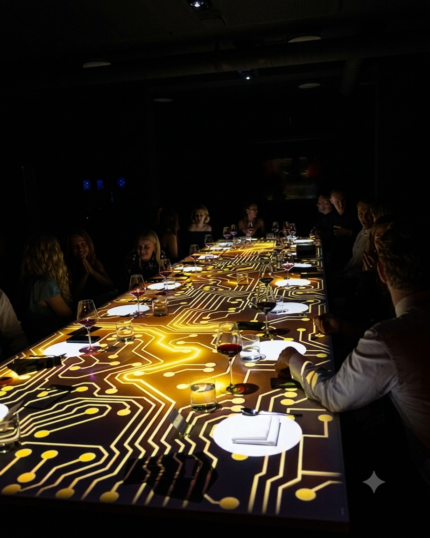
In this intensive program, high-level culinary professionals will explore how ambient sound, tableware weight, color psychology, and even structural scent mapping alter taste perception. Learn to build unforgettable food experiences by mastering the cross-modal neuroscience of taste, going beyond traditional cooking to control how your guests perceive every single bite.