
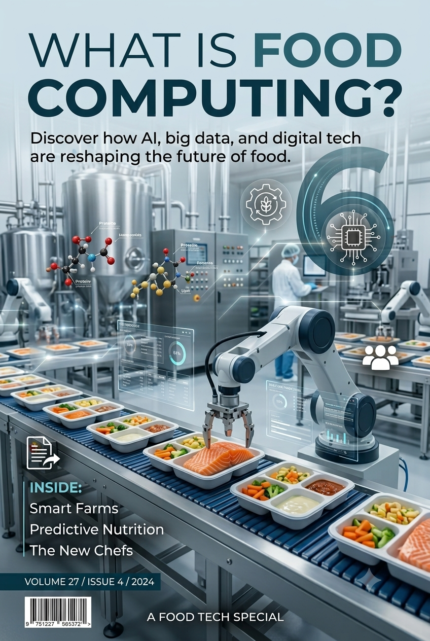
AI Algorithms for Predictive Supply Chain & Zero-Waste Kitchens
📘 Course Introduction
Commercial kitchen efficiency is being redefined by predictive data architectures and algorithmic automation. This advanced research fellowship targets the integration of artificial intelligence into the back-of-house workflow, focusing on neural network planning to minimize industrial food waste and optimize logistics.
Fellows will work with our computer engineering board to build predictive purchasing algorithms, connect IoT sensor frameworks to cooling systems, and analyze inventory consumption patterns. The goal is to design an automated operational system that eliminates inventory loss across commercial catering networks.


Applied Molecular Gastronomy & Hydrocolloid Chemistry
📘 Course Introduction
Modern culinary excellence requires an understanding of fluid dynamics, thermal physics, and organic chemistry. This intensive program moves past basic cooking to explore the structural manipulation of ingredients. Designed for high-level chefs, this course focuses on the precise use of hydrocolloids and laboratory techniques to improve flavor, texture, and recipe stability.
You will master precision temperature control, examine the physical behavior of gelling agents and emulsifiers under shear stress, and learn to formulate shelf-stable commercial recipes. This course transforms empirical kitchen habits into predictable, engineered culinary outcomes, preparing you to lead modern research and development spaces.
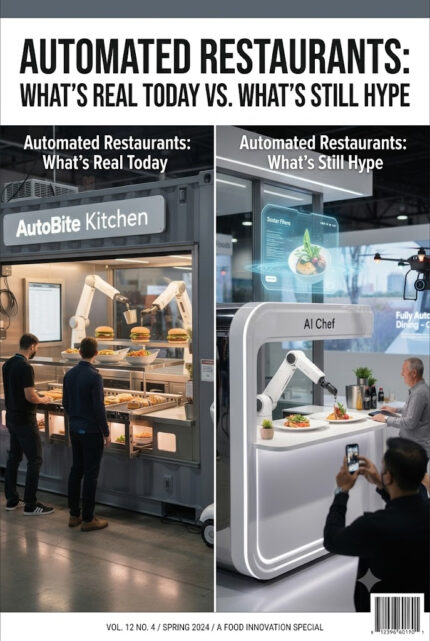
Digital Kitchen Architecture & Robotics Integration Strategy
📘 Course Introduction
Rising labor costs and operational inconsistencies are driving the rapid adoption of automated culinary robotics and smart cloud infrastructures. This live, 3-day executive bootcamp cuts through the tech hype to deliver real commercial frameworks for designing and funding automated food production spaces.
Built for hospitality investors, real estate developers, franchise executives, and operations directors, this program covers the unit economics of robotic kitchen line placement, building automated dark kitchen hubs, and upgrading outdated back-of-house technology to protect your corporate profit margins.