Food and Identity: The Cultural Anthropology of Gastronomy
📘 Course Introduction
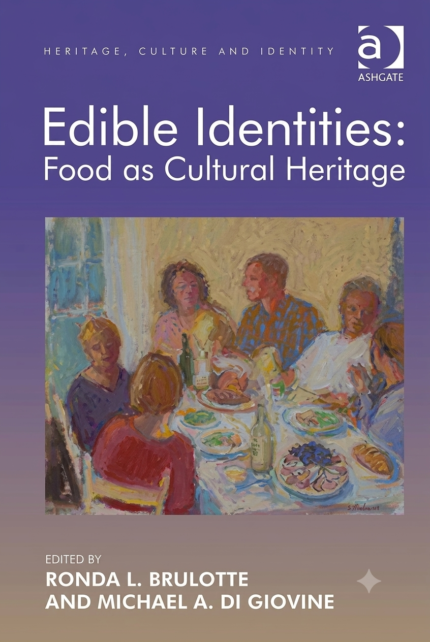
Food is never just a chemical necessity; it is a profound mirror of human history, social structures, migration, and cultural memory. This intensive program introduces the rigorous methodology of food anthropology, designed for elite chefs, culinary educators, and food designers who want to move past baseline execution and start cooking with deep historical intention and narrative power.
You will master the art of deciphering how migration shapes flavor profiles, how ritualistic culinary traditions establish community trust, and how social class influences taste perception. This course bridges academic cultural studies and the active professional kitchen, equipping you to design menu narratives that connect with the deepest layers of human psychology and identity.

Gastro-Diplomacy: Brand Storytelling & Cultural Menu Design
📘 Course Introduction
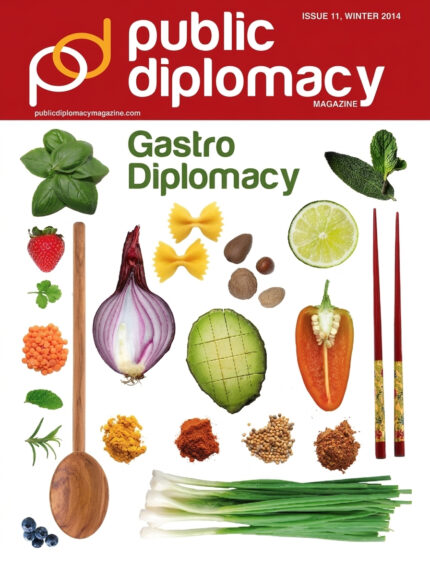
Food is the ultimate vehicle for soft power, corporate influence, and nation-branding. In a hyper-competitive hospitality landscape, consumers don't buy commodities—they buy narratives, heritages, and belief systems. This live, 3-day executive bootcamp strips away baseline marketing models to introduce the advanced architecture of gastro-diplomacy and cultural brand storytelling.
Engineered specifically for hospitality group founders, hospitality investors, brand strategists, and national tourism directors, this bootcamp covers how to transform a nation or group's culinary asset portfolio into a powerful global marketing campaign, structure narrative menu profiles, and win elite consumer engagement.
Intellectual Property of Culinary Recipes & Gastronomic Heritage
📘 Course Introduction
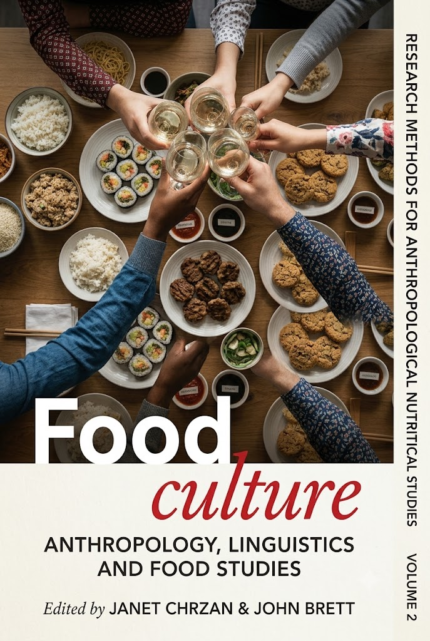
In the hyper-digitized global food market, culinary plagiarism and the erasure of cultural heritage run rampant. Traditional intellectual property laws fail to protect the creative work of chefs and the culinary history of nations. This advanced post-graduate research fellowship focuses on building defensive intellectual property frameworks, integrating decentralized tracking systems like WRID™, and establishing legal definitions for gastronomic heritage.
Fellows will collaborate directly with our legal and historical research board to author white papers, code classification parameters for indigenous cooking techniques, and build verification mechanisms that legally log proprietary and regional culinary blueprints within the international record.