Circular Economy & Sustainable Food Waste Auditing
📘 Course Introduction
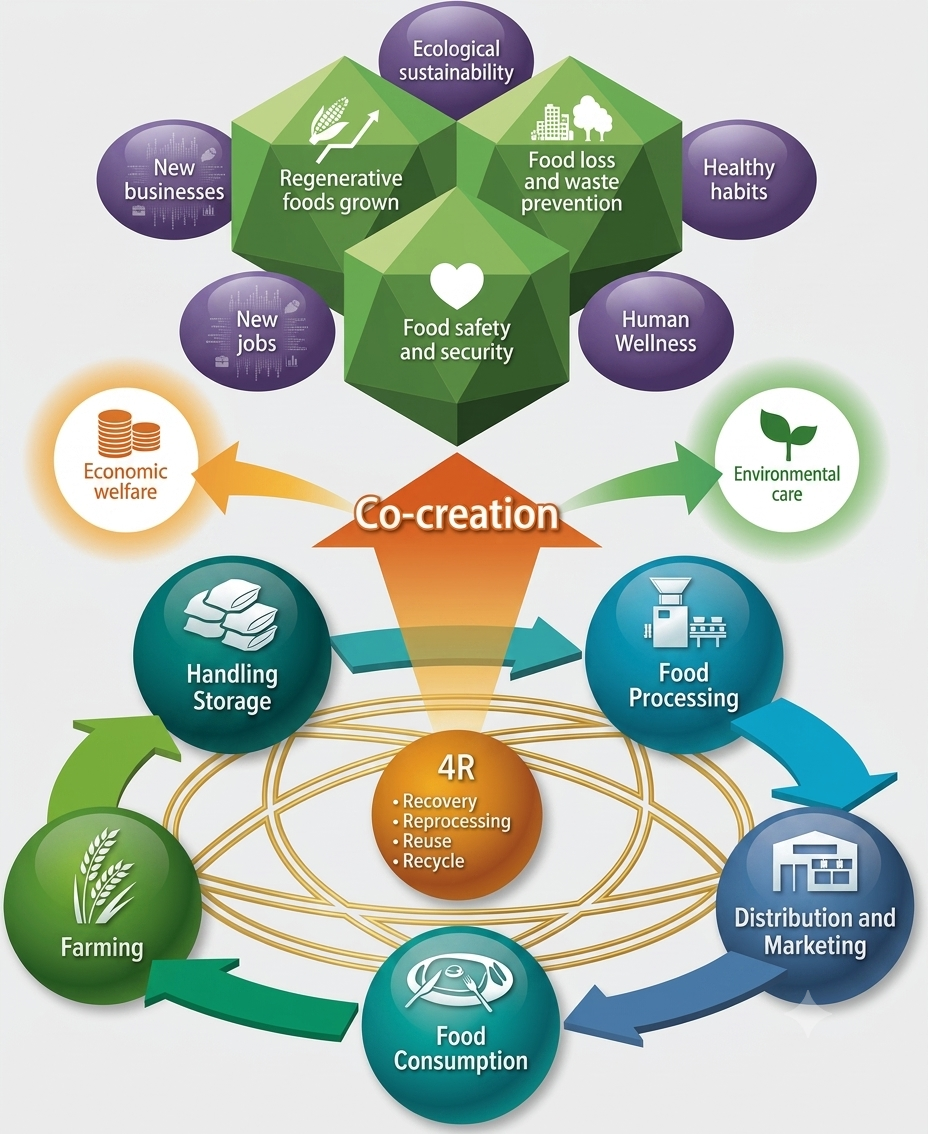
Sustainability is no longer an ethical choice; it is a critical regulatory and financial necessity for the modern hospitality sector. This intensive program introduces the methodology of zero-waste systems and industrial food waste auditing, designed for forward-thinking chefs and foodservice managers who want to maximize ingredient utilization and build a circular culinary economy.
You will master the metrics of tracking pre-consumer and post-consumer waste, study the biochemical processes of organic upcycling, and learn to re-engineer menus based on high-yield, low-environmental-impact techniques. This course transforms standard kitchen waste into a dynamic resource, cutting raw ingredient costs while establishing certified eco-friendly operations.

Description
🗂 Course Chart
| Section | Details |
|---|---|
| Course Title | Circular Economy & Sustainable Food Waste Auditing |
| Duration | 4 Weeks (Short-Term Specialist Program) |
| Format | Online / Hybrid |
| Language | English (With Persian Subtitles/Support) |
| Target Audience | Executive Chefs, F&B Directors, Catering Managers, Sustainability Consultants |
| Level | Intermediate to Advanced |
| Certificate | Specialist Certificate from Oxford Institute of Culinary Science & Gastronomy |
| Endorsements | TasteMetric™, WRID™, Oxford Culinary Labs |
🎯 Learning Outcomes
Participants will be able to:
- Conduct a full-scale industrial food waste audit within commercial kitchens.
- Implement circular economic principles to upcycle food scraps into high-value menu items.
- Optimize resource efficiency, reducing water and energy footprint across kitchen stations.
- Author green procurement policies to streamline eco-friendly supply chain compliance.
📅 Weekly Breakdown
| Week | Module Title | Key Topics |
|---|---|---|
| 1 | Foundations of Zero-Waste Hospitality | Core pillars of circular food systems; tracking kitchen waste streams; carbon footprint metrics. |
| 2 | Industrial Waste Auditing & Tracking | Pre-consumer vs. post-consumer sorting; data collection; locating invisible yield leaks in prep. |
| 3 | Biochemical Upcycling & Culinary Repurposing | Technical processing of food by-products; fermentation and dehydration for flavor extraction. |
| 4 | Green Menu Design & Operational Compliance | Designing high-yield seasonal menus; micro-greenhouse integration; eco-labeling marketing strategies. |
🧪 Assessment & Completion
| Type | Description |
|---|---|
| Weekly Reflections | Waste tracking exercise and flow-charting of kitchen organic mass loss. |
| Final Project | Develop a comprehensive Food Waste Reduction Strategy for a 100-seat commercial restaurant. |
| Participation | Active engagement in global sustainable hospitality case studies. |
| Certification | Digital + printable verified certificate with optional WRID tracking code. |
📦 Tools & Materials
- Access to a kitchen (home or commercial setup).
- Digital scales, waste log tracking software (excel or dedicated apps).
- Digital notebook or journaling application.
🧠 Summary
This course provides food professionals with the exact operational matrix needed to build eco-efficient food businesses. It gives you the verification frameworks required to lead sustainable kitchen initiatives, luxury green resorts, and large-scale zero-waste catering entities globally.
Shipping & Delivery
Related products
Advanced Menu Engineering & Dynamic Pricing
📘 Course Introduction
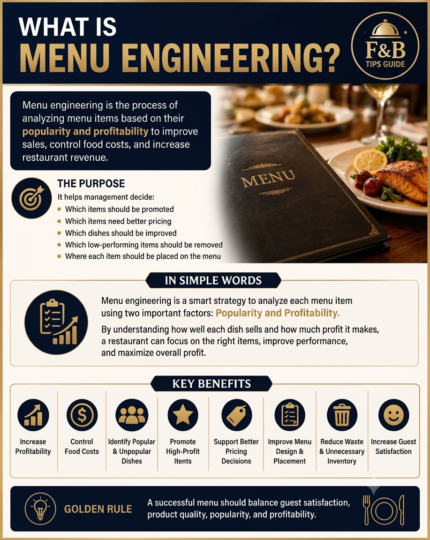
A menu is not a price list; it is your restaurant’s ultimate financial engine. This course bridges the gap between culinary data and behavioral psychology, teaching you how to scientifically audit, restructure, and price your menu to maximize yield in volatile, inflationary markets.
From analyzing dish performance to mastering dynamic pricing for digital apps and off-peak hours, you will learn how to shift from intuitive cooking to data-driven profitability—without sacrificing your culinary brand's integrity.
Applied Molecular Gastronomy & Hydrocolloid Chemistry
📘 Course Introduction
Modern culinary excellence requires an understanding of fluid dynamics, thermal physics, and organic chemistry. This intensive program moves past basic cooking to explore the structural manipulation of ingredients. Designed for high-level chefs, this course focuses on the precise use of hydrocolloids and laboratory techniques to improve flavor, texture, and recipe stability.
You will master precision temperature control, examine the physical behavior of gelling agents and emulsifiers under shear stress, and learn to formulate shelf-stable commercial recipes. This course transforms empirical kitchen habits into predictable, engineered culinary outcomes, preparing you to lead modern research and development spaces.
Biodegradable Packaging Formulation & Cold-Chain Bio-Preservation
📘 Course Introduction
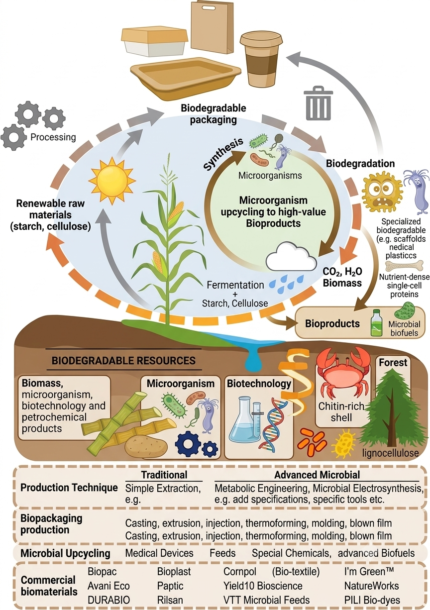
The delivery and preservation vectors of global food systems require a complete shift away from synthetic plastics and chemical stabilizers. This elite post-graduate research fellowship focuses on the biomaterial engineering of biodegradable packaging and the application of bio-preservatives to extend cold-chain shelf life.
Selected research fellows will work inside our virtual labs to isolate natural hydrocolloid polymers, formulate antimicrobial coatings from food processing side-streams, and test kinetic food degradation models under simulated transportation stress. The objective is to engineer scalable, compostable preservation systems for industrial culinary brands.
Food and Identity: The Cultural Anthropology of Gastronomy
📘 Course Introduction
Food is never just a chemical necessity; it is a profound mirror of human history, social structures, migration, and cultural memory. This intensive program introduces the rigorous methodology of food anthropology, designed for elite chefs, culinary educators, and food designers who want to move past baseline execution and start cooking with deep historical intention and narrative power.
You will master the art of deciphering how migration shapes flavor profiles, how ritualistic culinary traditions establish community trust, and how social class influences taste perception. This course bridges academic cultural studies and the active professional kitchen, equipping you to design menu narratives that connect with the deepest layers of human psychology and identity.
Functional Nutrition & Bio-Active Ingredients for Chefs
📘 Course Introduction
As a modern culinary professional, your role has evolved past simply filling plates—you are now a key influencer of human health, longevity, and metabolic performance. This intensive program introduces the rigorous biochemistry of functional nutrition, designed explicitly for high-level chefs who want to cook with medical purpose without ever sacrificing sensory luxury.
You will master the art of manipulating anti-inflammatory compounds, stabilizing gut microbiota via targeted culinary techniques, and designing menus that actively regulate blood sugar and modulate stress hormones. This course bridges the clinical laboratory and the professional kitchen, empowering you to lead the wellness-driven culinary revolution.
Net-Zero Hospitality: Carbon Compliance & Green Restaurant Scaling
📘 Course Introduction
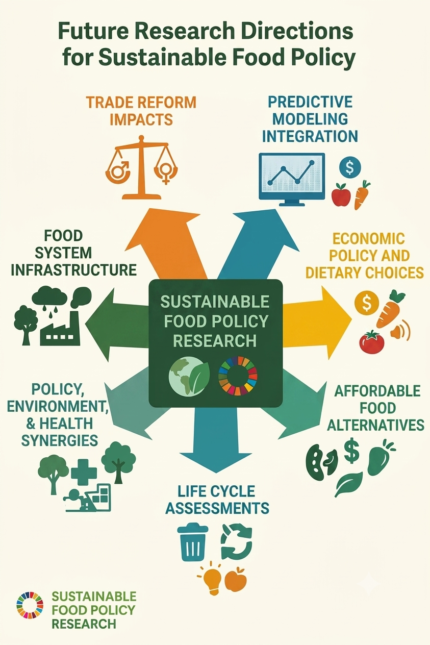
Global carbon pricing, green taxes, and changing consumer mindsets are threatening hospitality brands that fail to transform. This intensive, live 3-day executive bootcamp cuts through corporate greenwashing to provide strict, data-backed operational frameworks required to build and scale Net-Zero hospitality operations.
Tailored for hotel general managers, corporate restaurant owners, real estate developers, and green venture capitalists, this program covers the unit economics of sustainable facility transformation, navigating international carbon offset taxation, and marketing green infrastructure investments to raise premium ESG investment capital.
Neurogastronomy: Designing the Sensory Experience of Dining
.Level 01. Micro-Masters & Professional Certifications, Sensory Experience & Luxury Hospitality Management
📘 Course Introduction
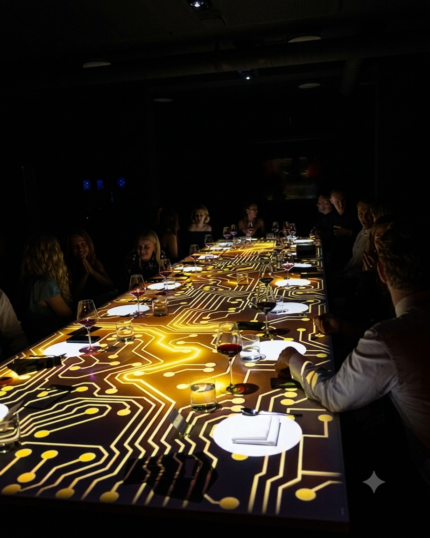
What if we told you taste doesn’t happen in your mouth—it happens in your brain? Neurogastronomy is the cutting-edge science that explores how our neurology constructs flavor, how sensory context shapes the food experience, and how chefs can design dining spaces that influence not just the palate, but human emotion, behavior, and memory.
In this intensive program, high-level culinary professionals will explore how ambient sound, tableware weight, color psychology, and even structural scent mapping alter taste perception. Learn to build unforgettable food experiences by mastering the cross-modal neuroscience of taste, going beyond traditional cooking to control how your guests perceive every single bite.