
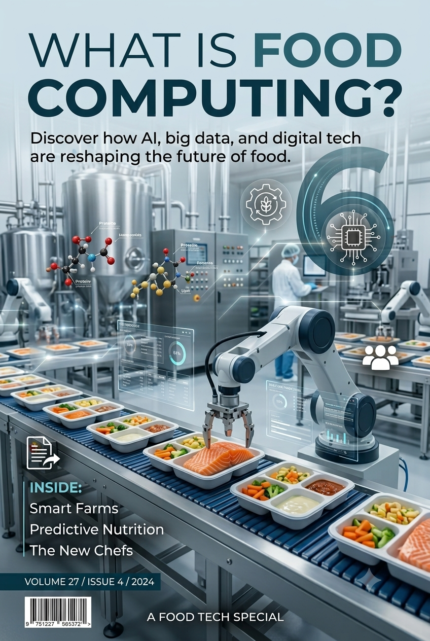
AI Algorithms for Predictive Supply Chain & Zero-Waste Kitchens
📘 Course Introduction
Commercial kitchen efficiency is being redefined by predictive data architectures and algorithmic automation. This advanced research fellowship targets the integration of artificial intelligence into the back-of-house workflow, focusing on neural network planning to minimize industrial food waste and optimize logistics.
Fellows will work with our computer engineering board to build predictive purchasing algorithms, connect IoT sensor frameworks to cooling systems, and analyze inventory consumption patterns. The goal is to design an automated operational system that eliminates inventory loss across commercial catering networks.

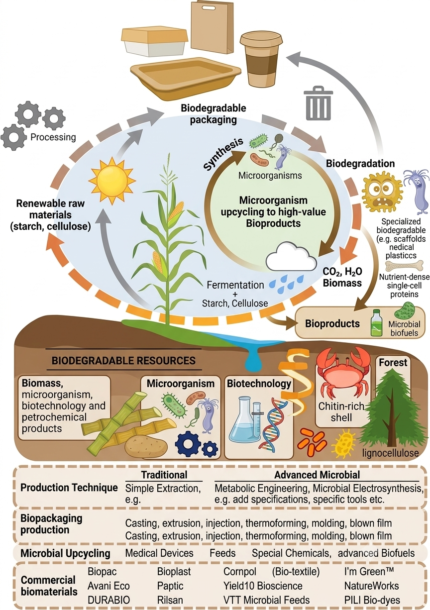
Biodegradable Packaging Formulation & Cold-Chain Bio-Preservation
📘 Course Introduction
The delivery and preservation vectors of global food systems require a complete shift away from synthetic plastics and chemical stabilizers. This elite post-graduate research fellowship focuses on the biomaterial engineering of biodegradable packaging and the application of bio-preservatives to extend cold-chain shelf life.
Selected research fellows will work inside our virtual labs to isolate natural hydrocolloid polymers, formulate antimicrobial coatings from food processing side-streams, and test kinetic food degradation models under simulated transportation stress. The objective is to engineer scalable, compostable preservation systems for industrial culinary brands.
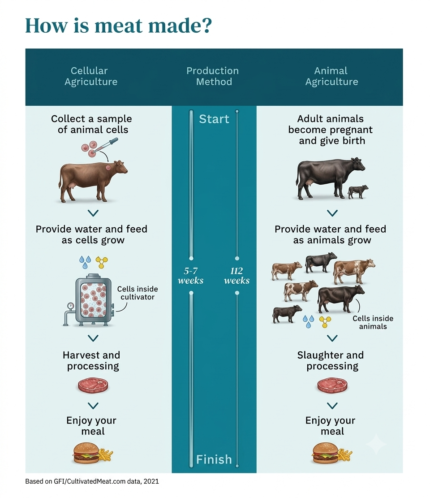
Cellular Agriculture & Biochemical Cultured Meat Engineering
📘 Course Introduction
The paradigm of global protein production is shifting toward molecular and cellular biology. This elite post-graduate research fellowship positions you inside the high-tech frontier of cellular agriculture, focusing on the synthesis, cellular structuralization, and sensory optimization of cultured (lab-grown) meat matrices.
Working hand-in-hand with our international biotech research board, fellows will spearhead research into optimizing non-animal serum media, engineering edible structural scaffolding to replicate complex animal muscle tissue, and mapping volatile aroma compounds to guarantee authentic flavor synthesis.
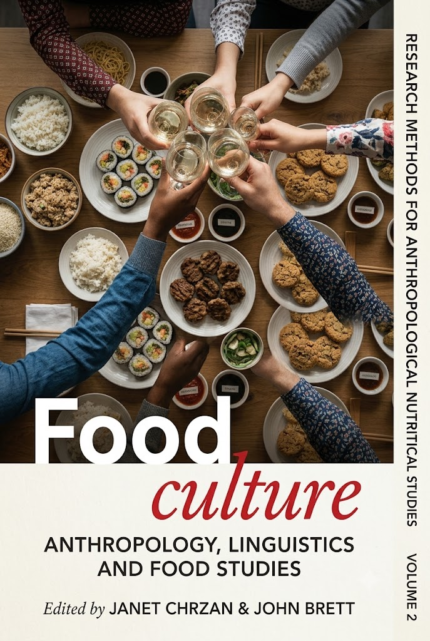
Intellectual Property of Culinary Recipes & Gastronomic Heritage
📘 Course Introduction
In the hyper-digitized global food market, culinary plagiarism and the erasure of cultural heritage run rampant. Traditional intellectual property laws fail to protect the creative work of chefs and the culinary history of nations. This advanced post-graduate research fellowship focuses on building defensive intellectual property frameworks, integrating decentralized tracking systems like WRID™, and establishing legal definitions for gastronomic heritage.
Fellows will collaborate directly with our legal and historical research board to author white papers, code classification parameters for indigenous cooking techniques, and build verification mechanisms that legally log proprietary and regional culinary blueprints within the international record.
Macroeconomic Forecasting for Multi-Unit Restaurant Franchises
📘 Course Introduction
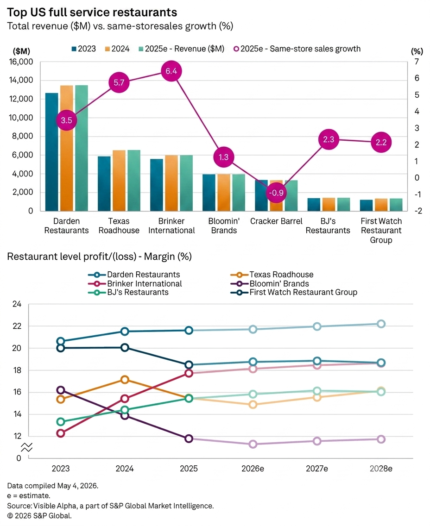
Operating a global multi-unit food brand requires more than micro-management; it demands an understanding of global supply chain economics, algorithmic forecasting, and macro-financial mapping. This specialized fellowship brings advanced data science into the corporate hospitality framework.
Selected research fellows will collaborate with our core researchers to develop predictive purchasing algorithms, evaluate geopolitical impacts on food logistics, and design hedging frameworks that insulate large-scale catering structures from macroeconomic shocks.

Sensory Neuromarketing & Customer Psychology in Luxury Hospitality
📘 Course Introduction
The definition of luxury hospitality has shifted from material opulence to deep psychological resonance. This advanced post-graduate research fellowship focuses on the scientific intersection of neuroimaging, behavioral consumer analytics, and sensory architecture within the ultra-luxury hospitality ecosystem.
Fellows will collaborate directly with our behavioral science and market analytics board to conduct biometrically backed experiments, track gaze-motion tracking parameters in fine-dining layouts, and analyze the psychological drivers of premium-tier brand loyalty. The ultimate objective is to author validated, open-source or proprietary data-models that predict and optimize high-net-worth consumer behaviors.